The Pri Ahavati growth plan
What already grows here, what we want to grow and how you can take part. Read it at your own pace.
What does my support change in practice?
As one bed approaches harvest, the next seedlings are already taking root in another. We want to expand this rhythm. Support will help us prepare more beds, plan plantings at different times and pay the people who care for the crops every day. This way, we can offer produce more regularly, rather than only when everything ripens at once.
What support actually makes possible
Preparing land, irrigation and nurturing the soil; wages for a grower and Asaf’s time for planning and management; and harvesting, preparing produce, packing, handling orders and collection.
The first stage
- 1
Prepare nearby land
- 2
Plant in several cycles with a paid, experienced grower
- 3
Bring the harvest to more families
What already grows and sells today
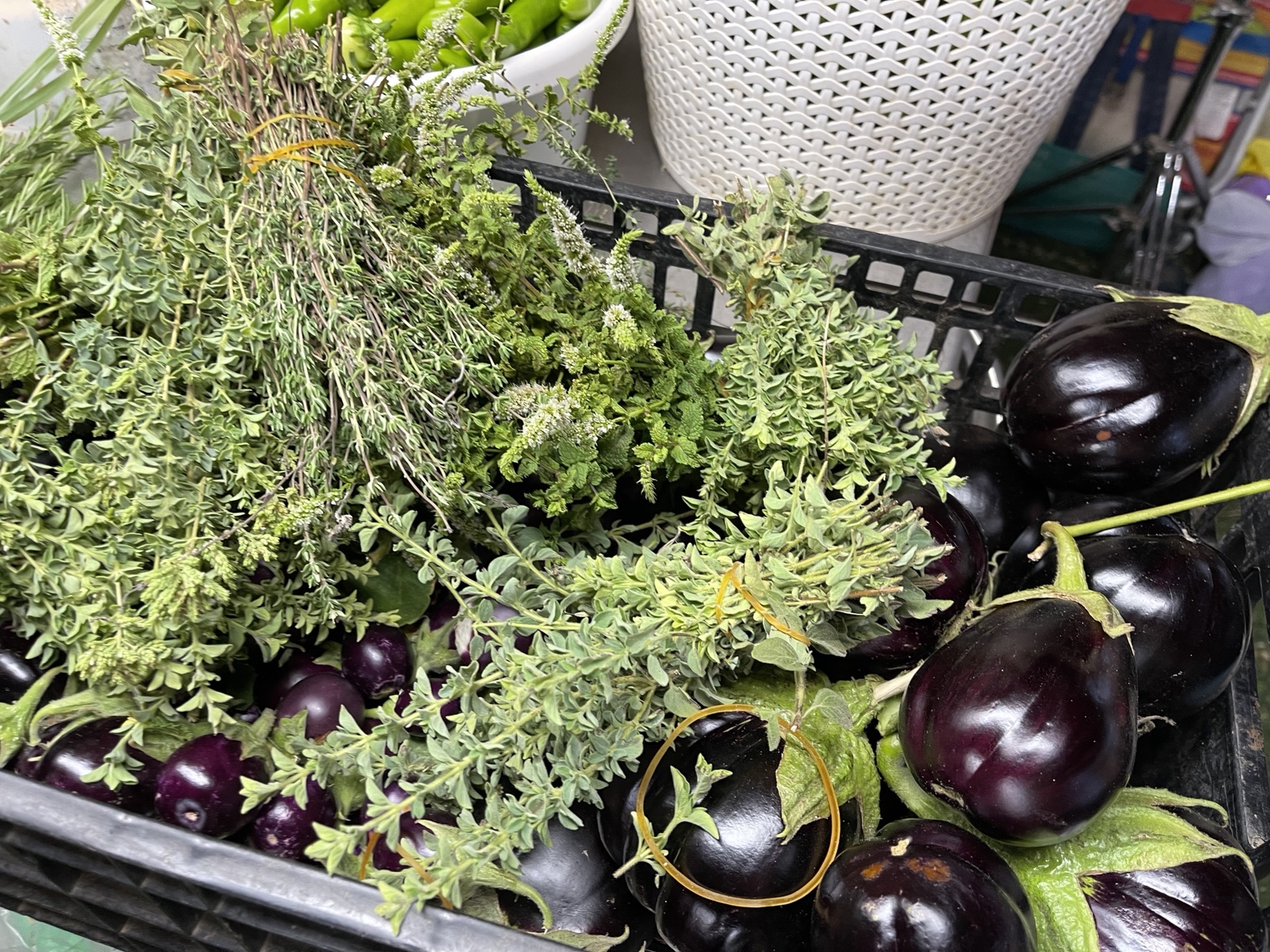
For almost three years we have been growing and selling biodynamic vegetables, and families in the valley already buy from us. Depending on the season, you can find several kinds of lettuce and spinach here, arugula, chard, baby leaves and Japanese mustard greens; broccoli, cauliflower, red cabbage, leeks and artichokes; parsley, dill and coriander; garlic, bulb onions and spring onions; peas, green beans and beets, as well as carrots and radishes that we sow directly in the soil, and daikon radishes. In summer, we also grow several varieties of tomatoes, cucumbers, eggplants, sweet and hot peppers, summer squash and zucchini.
How we grow
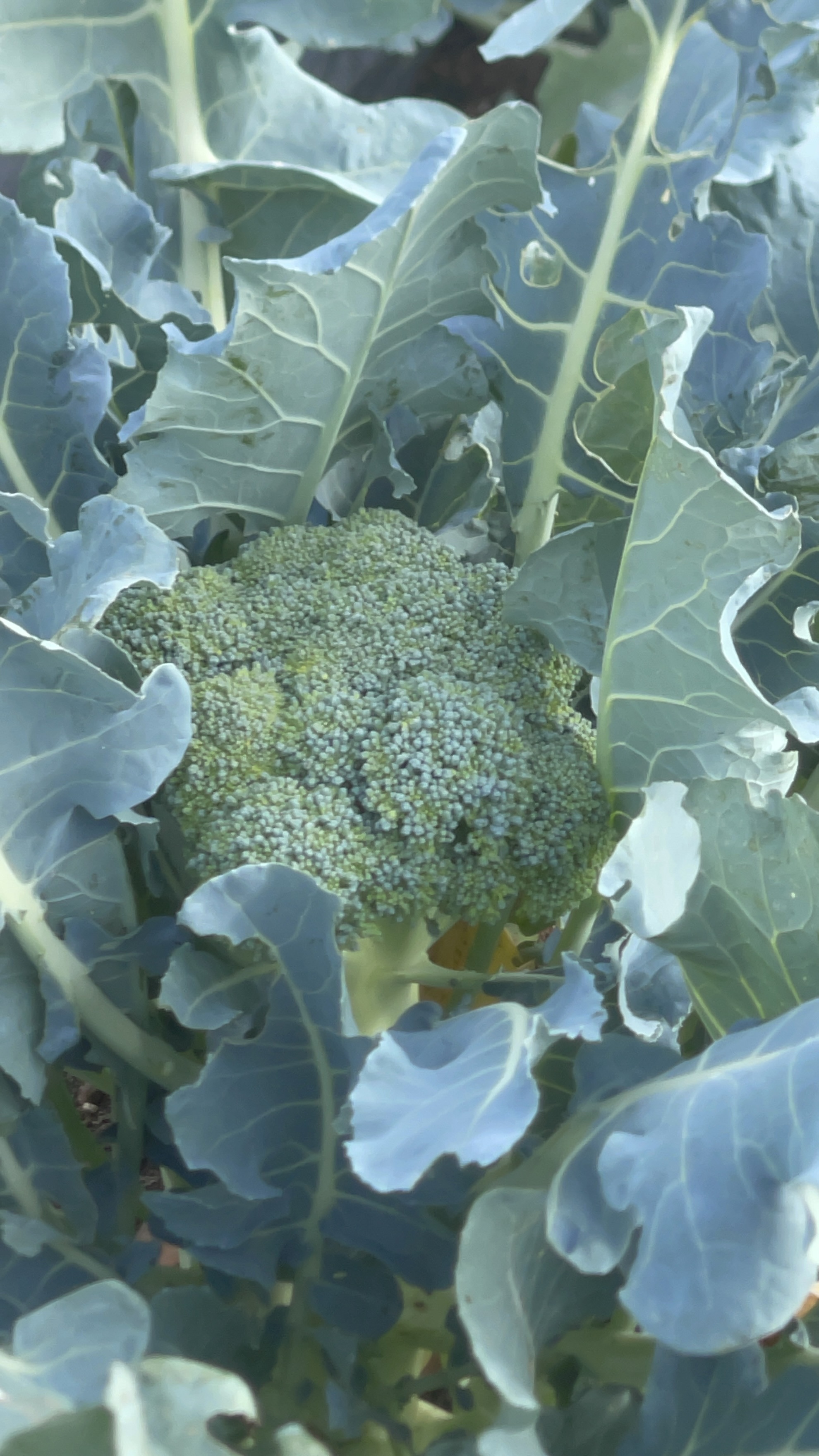
We begin by caring for the soil with compost and biodynamic preparations, observing what happens in the beds from season to season. We learned this approach from Nitzan Shpilman. This is how we grow vegetables here without spraying against pests.
Directions for later: wheat and olives
Farmers in the valley have offered us land where wheat can be sown, and orchard owners have expressed willingness to collaborate on cultivating olive trees using the biodynamic approach. These are directions we would like to develop later, separately from expanding the vegetables. They are not available produce yet, and not a promise.
More questions about the plan
Why is more land alone not enough?
More land lets us grow more, but continuity also needs planning, irrigation and people who can care for the crops and harvest on time. The first stage brings these together to gradually improve variety and availability.
Why is support needed if you already sell vegetables?
Vegetable sales are how the farm is intended to sustain itself over time. Support bridges the expansion stage: soil preparation, irrigation, growing materials, wages, planning, management and operations — before the new land produces a harvest. The goal is not to subsidise every basket, but to increase our ability to offer produce at a price suited to regular shopping.
What does biodynamic growing look like day to day?
The work begins with the soil: compost and biodynamic preparations work together with observing the beds from season to season. We learned this approach from Nitzan Shpilman. This is how we grow here without spraying against pests; support helps us expand this way of growing.
Can I buy from you if I live far away?
Today we sell mainly to nearby families. We also hear from families further away, including families in the anthroposophical community, who are looking for biodynamic produce. First we want to increase the harvest and its continuity. If there is interest in regular buying in your area, we would love to hear where you are. This helps us consider whether to explore a collection point there, without promising one will open.
How will I know what has progressed?
When there is a genuine field update, a date, photo and two lines about what changed can appear here — for example, land preparation, planting or a harvest reaching families. There is currently no commitment to an update schedule.
We would love to talk with you
The plan is here so you can read it at your own pace. If something interests you, if something is unclear, or if you would simply like to hear more — write to us on WhatsApp and we will talk.